
By Janet Nguy
Southern California College of Optometry Class of 2028
Student Ambassador
janetnguy.scco28@ketchum.edu
Navigating a graduate program as a first-generation student forced me to grow into new shoes. Of course, I knew that I would face many challenges inherent to a doctoral degree, but I also encountered many “invisible” hurdles outside of school as I learned to become an independent adult.
As immigrants from a rural countryside, my parents had never gone to college. Their limited scope of knowledge meant that I was largely on my own to figure out how to navigate a doctoral program. Without a family blueprint, I had to rely on other sources of support to set myself up for success in a new environment. It was often difficult to know where to start with finding housing, obtaining graduate loans, applying for CalFresh, and obtaining my own health insurance through MediCal. Nevertheless, I would consult multiple sources, including asking for advice from peers, emailing the MBKU Financial Aid and Housing offices, and, of course, doing a quick Google search to find out more.
These weren’t lessons you’d find in a syllabus, but they were just as important. Over time, I began to recognize that these struggles were teaching me resilience, resourcefulness, and adaptability. The same skills that would carry me through my education and into patient care.
.png)
At times, imposter syndrome crept in. I wondered if I really belonged in a doctoral program, or if I was somehow behind my peers who seemed to have it all figured out. But every challenge I worked through (whether it was understanding my financial aid, surviving a tough exam, or settling into a new apartment) reminded me that growth comes through discomfort.
Being first-gen has given me a perspective that extends beyond academics. It has taught me how to persist through uncertainty and find creative solutions, qualities that directly shape how I will approach patient care.
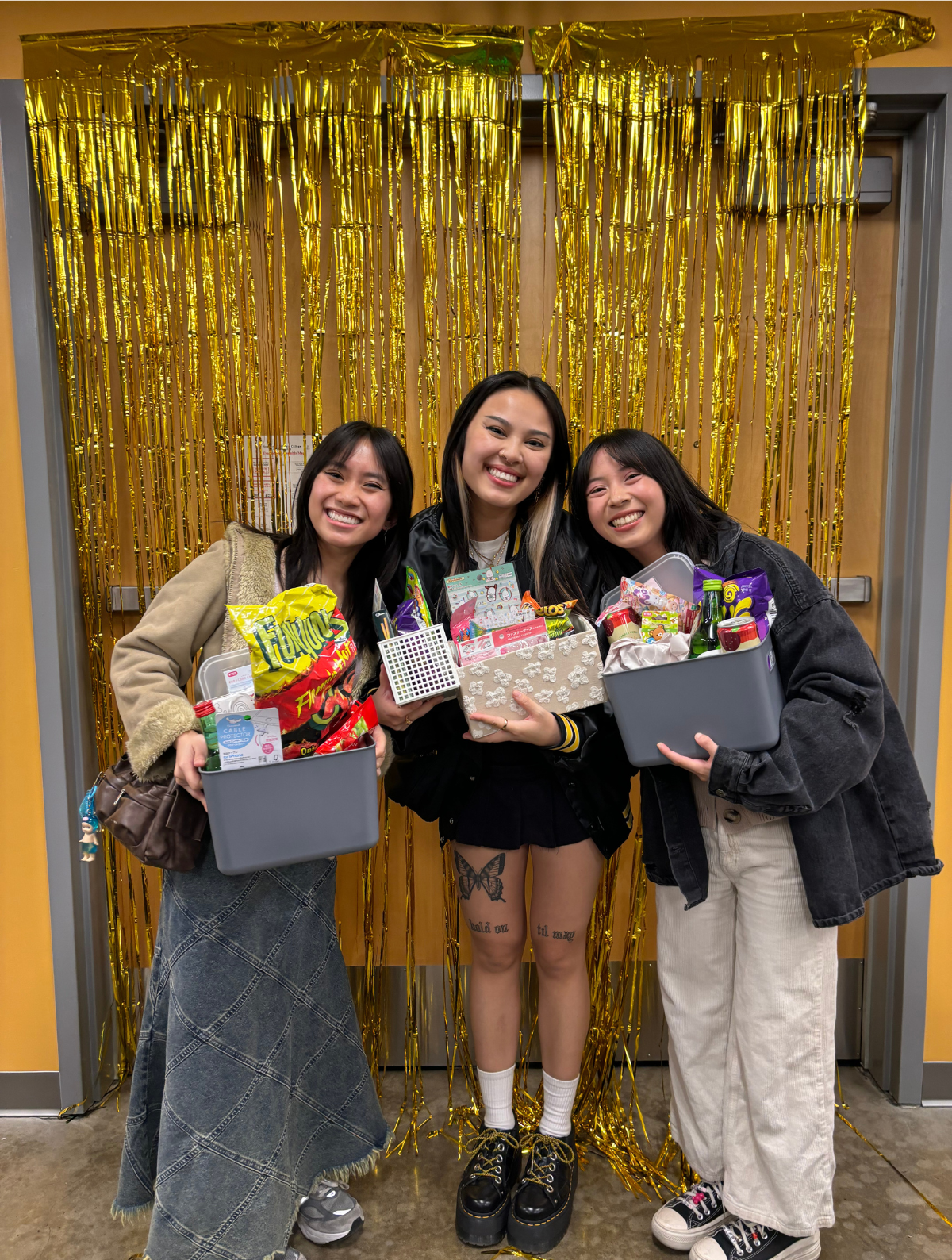
What has made the biggest difference at SCCO is finding community. Other first-gen students who share the same struggles, classmates who offer support during long study sessions, and faculty who encourage us to advocate for ourselves. I especially found support through the Big-Little system in Omega Delta, which gave me valuable mentorship for all the challenges I faced. The relationships I have built with my peers have supported me through my journey, and I would not have been able to make it this far without them.
Every obstacle I’ve overcome reinforces why I chose optometry: to serve patients and communities who may also feel unseen or unsupported as they navigate complex systems. My journey as a first-gen student has not only made me stronger but has instilled in me a deeper empathy for those I’ll care for in the future.