
By David Tran
Southern California College of Optometry Class of 2029
Student Ambassador
davidtran.scco29@ketchum.edu
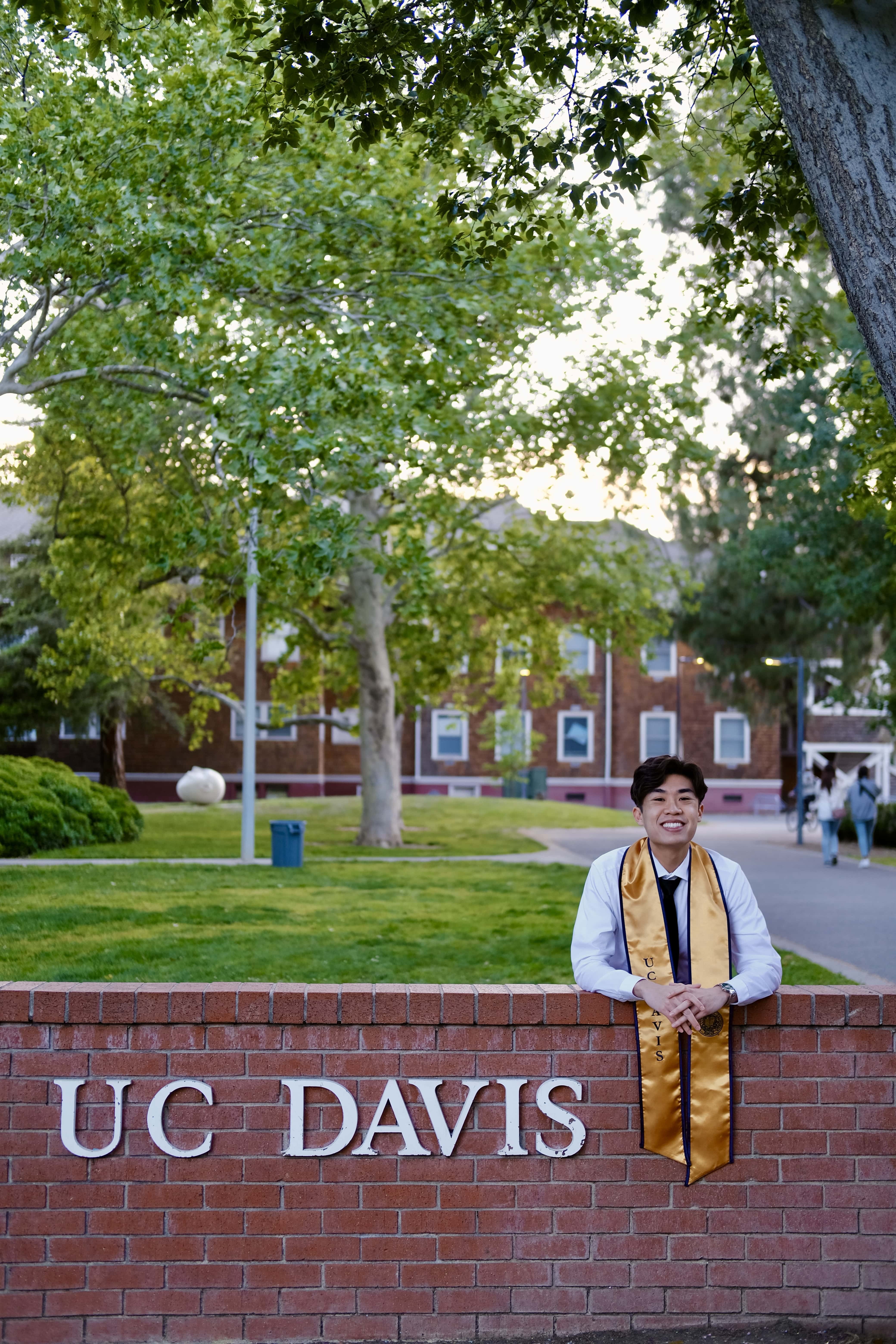
If I were to pick one word to describe my journey to optometry school, it would be "uncertainty.” Unlike many of my peers, my path wasn’t linear. I didn’t go straight from undergrad to optometry school with everything perfectly planned out, but I have zero regrets on my delayed start. Those years of exploration helped me grow, discover my purpose, and solidify why optometry is the right choice for me.
As a child with high myopia, I spent a lot of time at the optometrist’s office and grew up with a deep appreciation for the difference good eye care can make. When I reached college, I was aimless and struggled to commit to a career goal. After graduation, I explored a variety of different careers such as marketing and data analytics. I struggled with what I truly wanted to pursue.
Even though I gained valuable experience, I kept finding myself drawn back to optometry. I missed patient care. I missed the impact of helping people and understood the fragility of vision and how I could play a valuable role in people’s lives. Eventually, that pull was too strong to ignore. I returned to optometry as a technician, and with a new sense of purpose, everything clicked. I knew then, without a doubt, that optometry was where I belonged.
My Advice to Applicants:
If you’re applying to optometry school or even just considering it, here are some things I took away from my own journey.
It’s okay if your path isn’t linear. Taking time to explore doesn’t make you less qualified; it can shape you into a stronger applicant. Those experiences outside of optometry gave me perspective, maturity, and resilience that I now bring to my studies and future career.
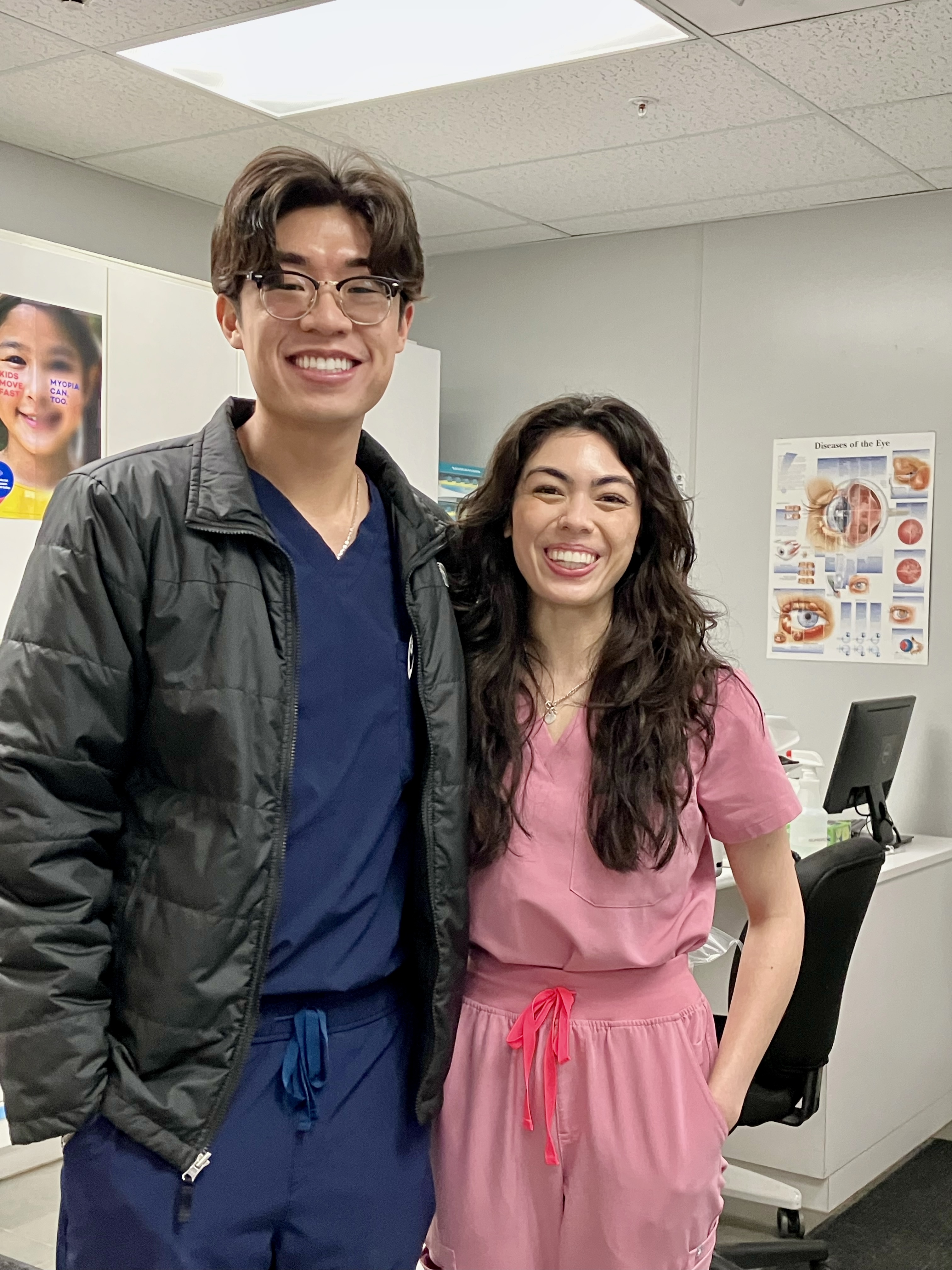
Gain real-world experience. Working as an optometric technician gave me firsthand insight into patient care, teamwork, and the realities of the profession. It not only strengthened my application but also reassured me that this is the career I want to pursue.
Own your story. Whether you took a gap year, faced challenges, or changed your mind along the way, don’t be afraid to talk about it. Admissions committees and interviewers value authenticity. Share your story and how your experiences shaped who you are today.
Focus on your “why.” Grades and test scores matter, but what makes you stand out is your passion for the profession. Be clear about why optometry excites you—whether that’s patient education, preventative care, or the gratification of helping patients.
Looking back, I don’t regret taking a nontraditional route. Those gap years gave me the clarity I needed to confidently step into optometry school with renewed purpose and vigor. If you’re in the circle of confusion, know that you’re not alone and that sometimes detours are the very thing that prepare you best for the road ahead.