
Before starting graduate school, I didn’t know what to expect, and I truly thought my biggest challenge would be the courses. While that was an important factor, I quickly learned that graduate school is much more than its rigorous material. Looking back on my first year, I’d like to share 10 things I wish I'd known before I had started.
-
Everyone is Nervous, Even If They Don't Seem Like they Are
It’s easy not to think of the social aspects of school while you’re in the daze of being admitted, graduating from your bachelor’s, or even just enjoying your summer. I remember walking into orientation like it was yesterday and immediately being intimidated by the sea of people in front of me. In that moment, I felt completely alone in my thoughts and feelings, thinking that everyone was far more confident and sociable than I was. I came to realize that, in reality, we all felt this way far later than I wish I had. So, my piece of advice would be, don’t think you’re alone in your nervousness. I know that’s easier said than done, but once you realize that everyone feels the same as you do, the pressure comes off, and it’s much easier to spark up a conversation. You’d be surprised how easily you can find common ground and shared interests with everyone around you.
-
You Don't Need to have Your Whole Routine Figured Out From Day One
Before starting school, I had a game plan. I was going to study every day, go to the gym every day, and before going to sleep, I’d read at least five chapters of the book I was currently reading. Looking back, boy, was I naive. As good as it is to be structured and have a set plan for your day, it doesn’t always work out. By the time I got into the pace of sorting through my classes and figuring out how to study, the gym and my TBR hadn’t seen me in weeks. Realistically, it takes time to figure out your own pace and adjust to your new life, and that’s okay. This is a new experience, and with that comes changes and adaptation. Don’t be too hard on yourself if you don’t know everything from the first day.
-
Your Habits Will Change
Whether you’re in SCCO, COP, or PA, we were all science majors for our undergraduate career, and as much as our prerequisite courses were challenging, graduate school is a whole other playing field. The amount of information that we need to learn in a short period of time can be taxing, and your usual study habits may not work. This is not said to scare you. Just speaking from personal experience, some of the study skills, like notetaking at home, were becoming a waste of time for the amount that was covered per chapter. Once I realized I was wasting my time and not retaining any information, it took a while to find the proper way to study for each class. I had to adapt, and that’s okay. Adaptation is another important skill in healthcare. Remaining in a comfort zone can only get you so far, be malleable.
-
Don't Be Afraid to Ask Questions
One of the greatest benefits of attending a smaller school is the accessibility of our professors, faculty, and peer advisors. We genuinely want you to succeed and have a great experience while you’re here. So, don’t be afraid to ask us questions, whether you’re in class, meeting with your professor, or texting one of your peer advisors.
-
Your Classmates Are One Of Your Greatest Resources
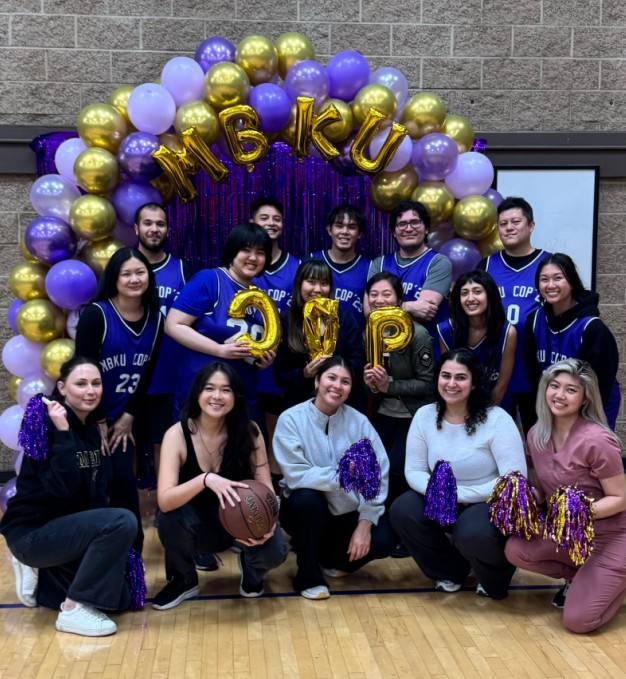
Within maybe a week of the start of school, my cohort created a Discord server perfectly organized for all our courses and events. This Discord chat has been my saving grace, and I recommend doing the same with all your classmates. We shared so many resources with each other, like class notes, flashcard sets, and study workbooks. We also reminded each other of upcoming events that, honestly, in the tidal wave of emails that you get, are hard to keep track of. Be helpful and mindful of each other, and you will all be better off for it.
-
Its's Better Than Okay To Take Breaks
In the beginning, I felt extremely guilty for taking a break from studying. Anytime I did something other than studying, I got mad with myself. As you can predict, this was not healthy, and it led to burnout so quickly, which led to me not performing as well as I knew I could. I think the greatest piece of advice I can give on this topic is that if you’re not filling into your own cup, you’re not going to be able to pour into others. It’s okay to take breaks, it’s okay to not spend your every waking hour studying, do things that bring you joy, and take care of yourself and your health. You can’t take care of your future patients without knowing how to take care of yourself first.
-
Not Every Day Will Be A Productive One
Honestly, some days, you may feel completely lost in class, or while studying, the information isn’t sticking. Just know, those days are normal. Your intelligence and abilities aren’t measured by a bad day. They’re measured by your progress. If you’re ever feeling like you can’t retain the information, step away from it, take a break, revisit it with a fresh look, ask questions to your peers or professors, but whatever you do, don’t beat yourself up over one bad day.
-
Get Involved
Getting involved makes you feel more connected to your school and your classmates, creates a meaningful experience for you, and looks great on your CV. I was a student ambassador my first year, and it was genuinely so much fun getting to meet all of you and helping you before you even start your own journeys here. In my P2 year, I am a peer advisor and a board member of MBKU’s CSHP and FPhA chapters. Being part of all of these programs has brought me closer to my classmates, given me new leadership opportunities, and made my school experience far more interesting and engaging. So, I highly recommend getting involved in the school student government, your respective cohort’s student government, and your program’s chapter associations. I promise it will make your experience far more fun.
-
You Belong Here
I’m sure at this point we’ve all heard of the term imposter syndrome, and I can’t promise you that you won’t experience it. There may come a day when you wonder if you’re truly capable or smart enough to succeed in your academic or healthcare career. When you feel this way, just remember, that a whole team of people in the admissions committee saw everything that you’ve done and the potential you carry with you to succeed. You’ve truly earned your place here and let that confidence in yourself grow.
-
Time Goes By faster Than You Think
When I said I remember orientation day like it was yesterday, I truly meant it. It is hard to believe how quickly time passed. I know it’s hard to visualize the finish line before you even start the race, but it’s going to be over in a blink. Take photos, make new memories, attend fun events, and enjoy your experience before we’re the “adultier adults”. Graduate school can be challenging, but it can be rewarding, exciting, and altogether fun. Enjoy the ups and downs of it all.
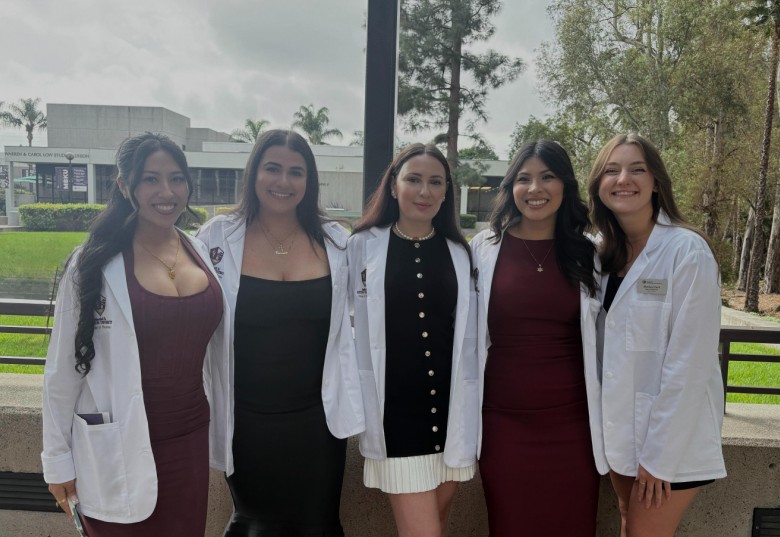
Long story short, you don't need to have everything figured out immediately. Give yourself time and grace to adjust to your new experience and come in with an open mind. Even if you feel like you're faltering, remember we're excited to have you here, and we're all here to help